14453 Beach Blvd., Suite 100, Jacksonville, FL 32250 904-992-8900
Restorative & Specialty
There is no need to suffer from a damaged tooth. If your tooth is broken, chipped, or fractured, see Azari & Zahedi Dentistry as soon as possible. Otherwise, your tooth could be damaged further or become infected, possibly causing you to end up losing the tooth.
Our skilled doctors can repair your tooth using a variety of methods that will cater to your needs. We also offer oral sedation to those patients that may be a little anxious or nervous about their dental visit.

Restorative and cosmetic procedures often work together to bring back the look and function of a healthy smile.
There are many ways to restore a healthy and bright smile. A combination of restorative and cosmetic procedures, including minor tooth movement, veneer restoration, crowns, and bonding, can rebuild a damaged smile and bring back proper function and appearance.
Part 1 of 2
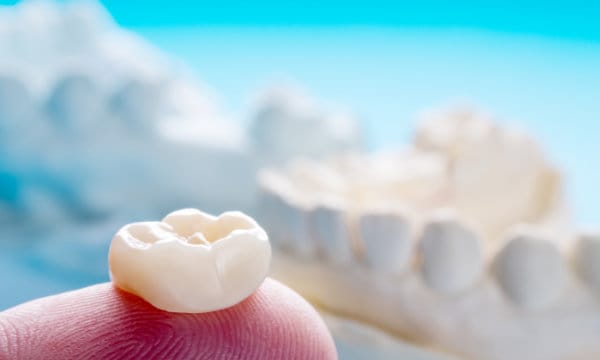
A bridge is made up of two or more crowns and is placed in gaps that may occur between your natural teeth. Your natural teeth are used as anchor or abutment teeth to which the bridge is attached. Bridges can be used to restore your smile and your ability to properly chew and speak, and help in preventing your natural teeth from moving out of position.


Getting a bridge usually requires two or more visits. While the teeth are numb, the two anchoring teeth are prepared by removing a portion of enamel to allow for a crown. Next, a highly accurate impression or mold is made and sent to a dental laboratory where the bridge will be fabricated. In addition, a temporary bridge will be made and worn for several weeks until your next appointment.
At the second visit, your permanent bridge will be carefully checked, adjusted, and cemented to achieve a proper fit. Occasionally your dentist may only temporarily cement the bridge, allowing your teeth and tissue time to get used to the new bridge. The new bridge will be permanently cemented at a later time.
You will receive care instructions at the conclusion of your treatment. Proper brushing, flossing, and regular dental visits will aid in the life of your new permanent bridge.
A bridge may be used to replace a single tooth. A bridge consists of both a false tooth, called a pontic, and the anchors, or abutment crowns, that support the pontic. The entire structure spans the space vacated by the missing tooth.
Neighboring tooth structure is removed, shaping the teeth to receive an anchor crown. An impression is then taken and sent to a dental lab where they fabricate the bridge.
The structural part of the bridge is created with a strong metal alloy that can handle the anticipated stresses. Tooth-like porcelain is then fused to the structure. Once the bridge is tested for a correct fit, the anchor crowns are cemented to the neighboring teeth.
Considering an implant-supported alternative? See Single & Multiple Tooth Implants.
Part 2 of 2
Inlays and onlays are both restorations that are used to repair a damaged tooth, usually a back tooth or molar, and are used as durable and attractive alternatives to standard fillings and crowns. Inlays and onlays are similar restorations but cover different sections of a tooth.
They are one-piece, custom-fitted dental restorations that are fabricated from high-strength material to be able to withstand everyday use, such as biting and chewing. When properly cared for, these dental restorations can last for decades.
If you are currently experiencing failing restorations, an inlay or onlay may be a better alternative. We would love for you to call our office at 904-992-8900 or request an appointment through our website to come in and have us take a look at your current situation.

You can think of a dental inlay or onlay as being midway between a filling and a crown. Inlays or onlays are used when not enough tooth structure remains to support a filling, but the tooth is not so severely damaged that it needs a crown.
An inlay is similar to a filling, but it lies within the cusps, or bumps, on the chewing surface of your tooth. An onlay is more extensive than an inlay and covers one or more cusps.
Inlays or onlays can be made of gold, composite resin, or ceramics. They can last for decades. However, how long they last depends on the material used, the teeth involved, the forces of chewing, and how well the patient maintains them with good oral hygiene and regular visits to a dentist.
The final cost of a dental inlay or onlay can depend on many factors. Generally, the larger the restoration, the more costly things can get, but inlays and onlays are an affordable restoration that will last a very long time.
In situations where a less expensive restoration is used where an inlay or onlay was preferred, the non-preferred restoration will usually fail and either have to be redone, or can even cause more damage than it originally created, leading to an even more expensive future restoration. It is important not to let the costs of any dental restoration get in the way of the total benefits they can offer.
Because everyone's condition is unique, we prefer you to request an appointment and come in so we can check things out.
Every dental insurance provider treats inlays or onlays differently, but generally your dental insurance may cover a portion of an inlay or onlay restoration. Call us at 904-992-8900 and let us know who your dental insurance provider is, and we will happily find out just how much they will cover. We can even submit a pre-treatment estimate, so make sure you request an appointment and come in to see us.
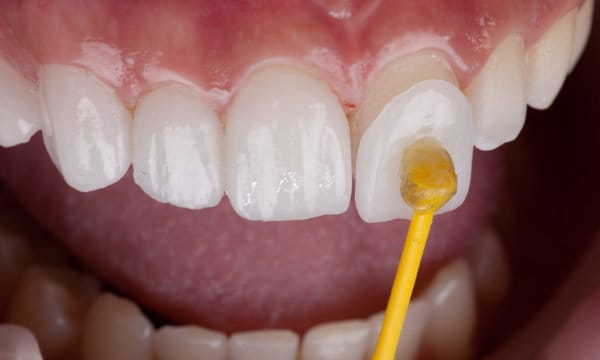
Bonding, veneers, and crowns & fillings are also restorative procedures we offer. Each has its own dedicated page.
Don't wait for a damaged tooth to get worse. Call our office or request an appointment online. We'll find a time that fits your schedule.